
The MySpace Generation: When Being Different Was Everything
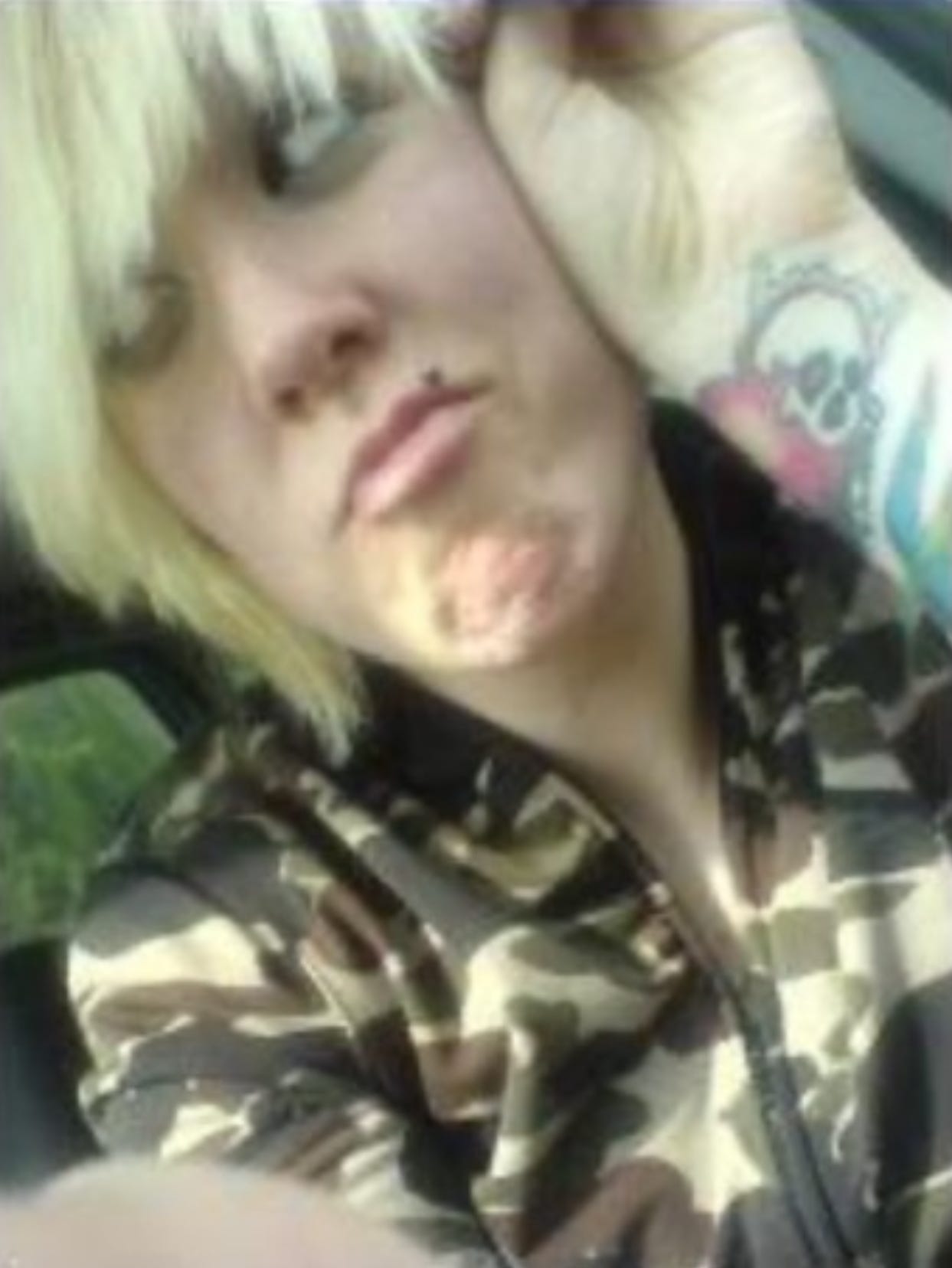
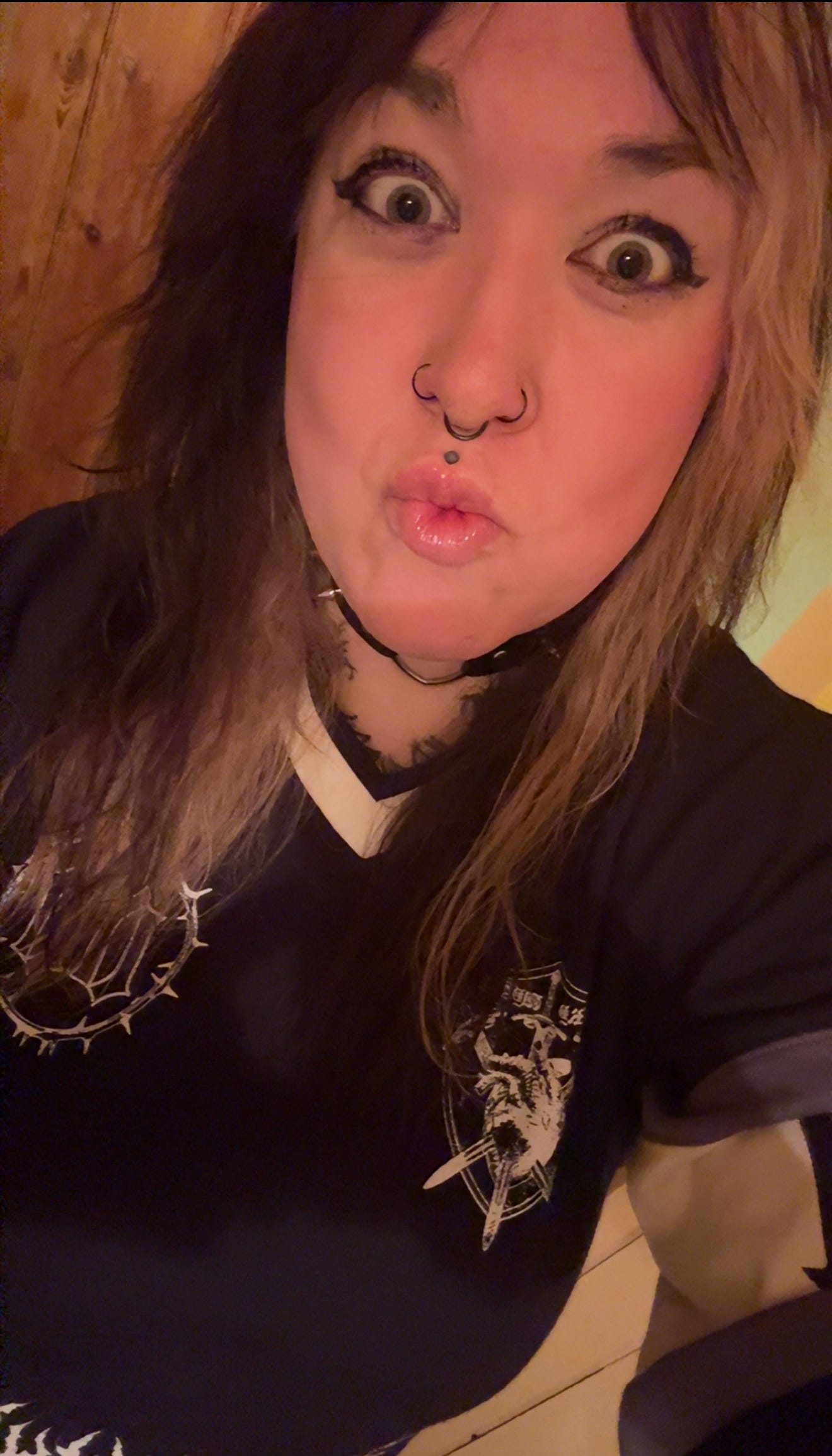
Growing up, I often heard myself described as a “mosher”, “emo” or “scene kid”. It varied depending on the circle of people I was around at the time.
My introduction to alternative music came through pop punk, thanks to the skater friends I hung around with in and out of school. My iPod was soon filled with tracks downloaded from LimeWire (sorry!), and I found myself listening to Green Day (who I also saw at my first-ever concert!), New Found Glory, Simple Plan and Blink-182. All bands still making themselves heard today!
The aesthetic was skater chic. Baggy jeans, branded tops and trainers from the likes of Vans and DC, preferably big, chunky ones to match. My first pair were Vans Rowleys, which I practically LIVED in at school, despite my teachers repeatedly asking me to wear the correct uniform!
I didn’t really mind what people called me, but the labels were definitely there.
In our teenage shorthand, “chavs” were the non-alternative kids. Goths apparently wore black and corpse paint. Metalhead boys had shoulder-length hair and were violent in the pits. Skaters skateboarded and listened to pop punk. Emos were sad all the time.
There were sweeping statements about everyone.
I found myself somewhere across all those categories, bar chav. That was definitely an insult in my vocabulary, and probably still is!
With the arrival of MySpace, things diversified a little. I found myself listening to more than just pop punk and rock, and eventually, I became what people called a “scene kid”.
Growing up alongside MySpace, I had priorities that seem absolutely ridiculous now. My Top 8 and profile coding were probably my biggest worries looking back!
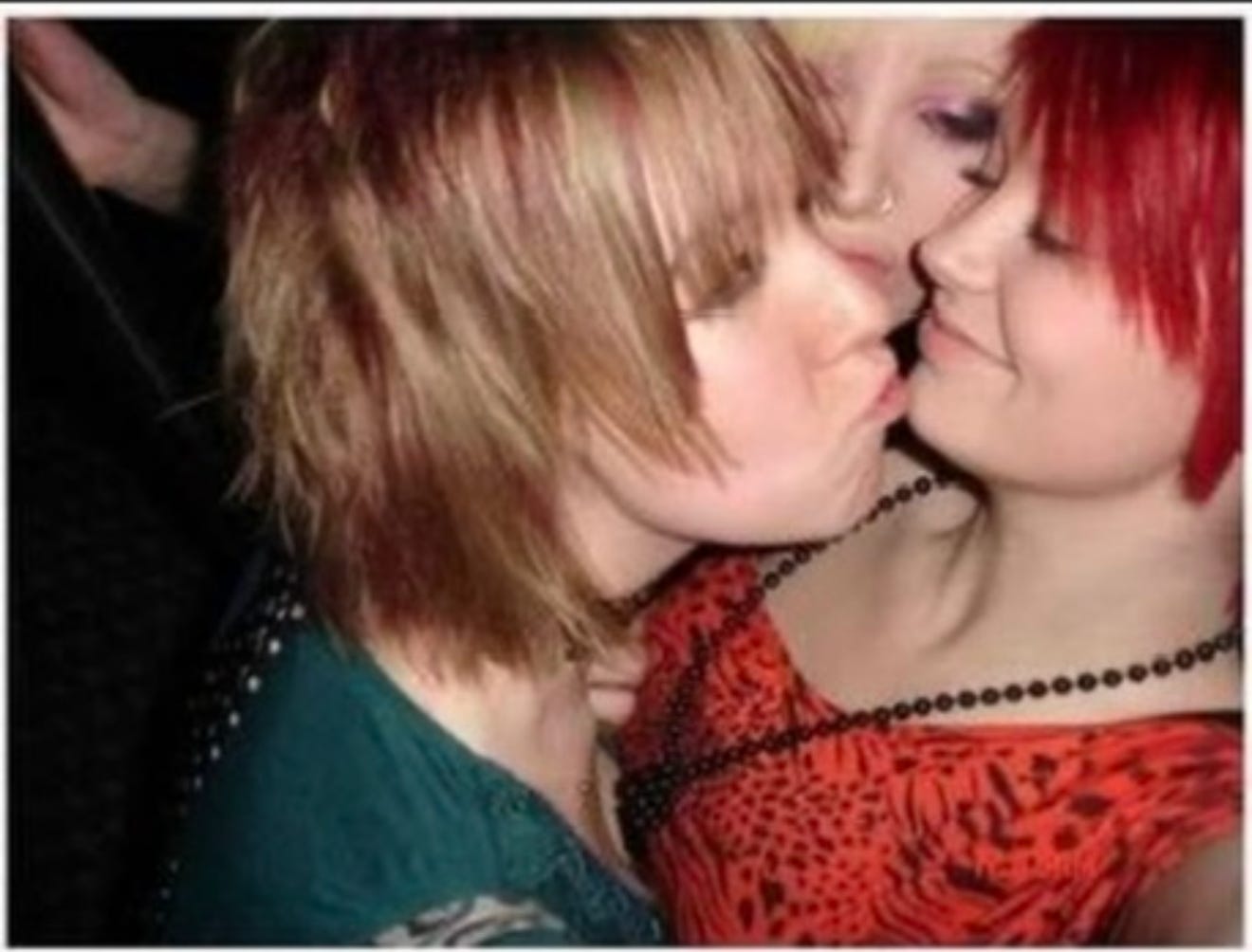
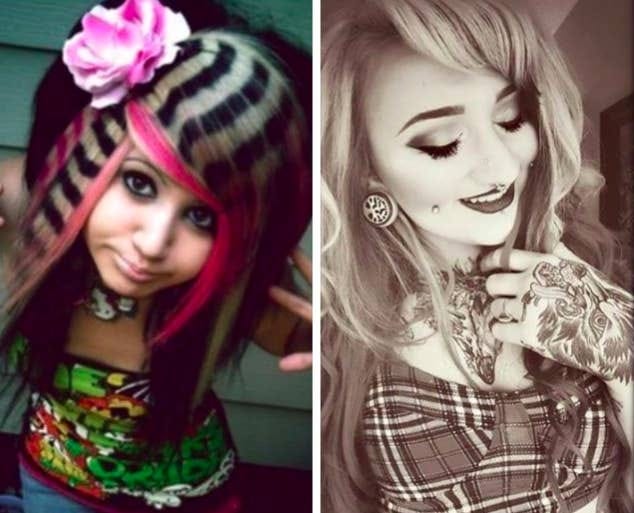
A few years later, I felt most at home with enormous straightened and backcombed hair, a fringe that obscured one side of my vision, WITH ABSOLUTELY NO GAPS across my forehead, skinny jeans, snakebite piercings and a very specific angle and pose for my MySpace photographs.
Those photographs were SO important!
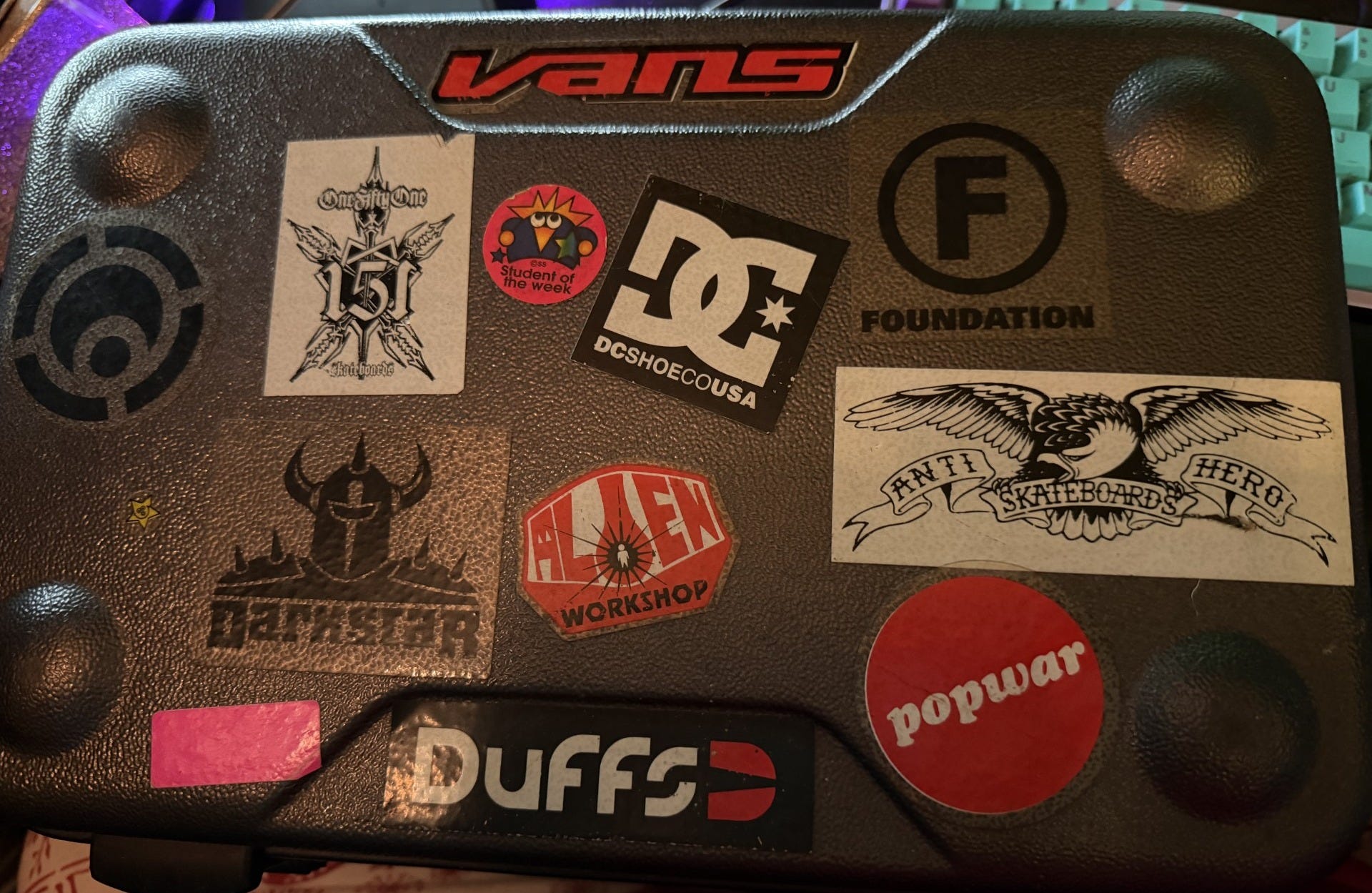
My trainers were still Rowleys, although sometimes they were swapped for Converse. Safety pins and badges covered my school bag, while skateboarding stickers decorated my clarinet case.
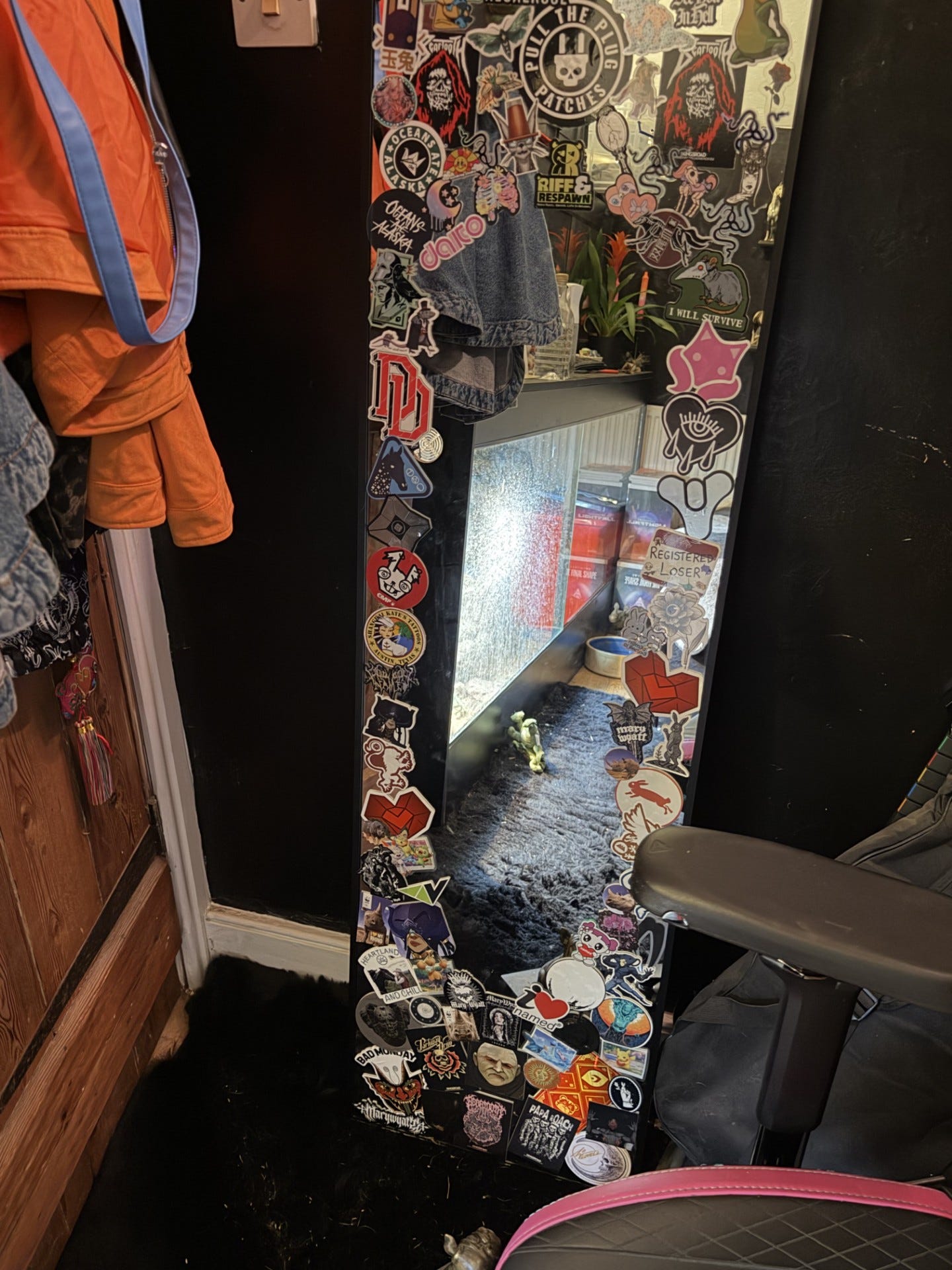
Scene kids listened to metal, emo, pop punk and just about anything else. To me, it felt as though we’d moved towards broader categories, with “chav” and “non-chav” essentially covering everything.
As a teenager, my music taste borrowed from every corner of alternative culture.
There was Muse (who seem to be considered less alternative these days, but I’d encourage anyone to revisit Showbiz and Origin of Symmetry!), Papa Roach, Bowling for Soup, Slipknot and Korn.
Then there were the bands I discovered THROUGH MySpace and the events that brought those communities together.
MySpace introduced me to favourites including Architects, Bring Me the Horizon, Job for a Cowboy and The Black Dahlia Murder. Ghostfest and the 30 Days of Night label were particularly good places for influence!
Before long, their names and logos started appearing on my T-shirts, becoming part of the scene kid uniform.
Black hoodies, blue skinny jeans, black band T-shirts with some obscure logo plastered across the front, or something from Drop Dead, Oli Sykes’ clothing brand.
I remember buying the heart ribcage T-shirt and the grey one with the golden knuckleduster on the front.
These things became outward signs that you weren’t like everyone else. Looking back, it’s funny how much effort we put into wearing the right things to show we didn’t follow the crowd.
I stretched my ears, got more piercings and eventually started getting tattoos. All things that remain part of my identity even now.
It wasn’t just the music or the way we looked, either.
There were MSN display names and statuses filled with song lyrics that supposedly described exactly how I felt at the time. Usually something terribly emo about a boy who didn’t fancy me, or an excuse to show everyone what cool bands I was listening to!
Ha!
But underneath the questionable hairstyles, dramatic lyrics and endless attempts to perfect a MySpace photograph, I genuinely felt like I belonged.
The outward appearance of people within these subcultures made it easier to identify who might be like me and who wasn’t, even if that was based on the shallowest of assumptions.
Initially, most of the judgement seemed to come from outside the alternative scene.
There were the kids we’d dismiss as chavs, wearing the latest designer clothes, sporty tracksuits and matching trainers.
But as time went on, the judgement increasingly came from within.
You could feel a growing divide over what being “alternative” actually meant.
Even “scene” became something of an insult.
The more androgynous-looking men, with eyeliner, carefully styled long hair and a less traditionally masculine appearance, became targets for those who remained loyal to the supposedly manly aesthetic of early-2000s alternative culture.
They seem to have forgotten that hair metal and glam were a thing!
Looking back, those first footsteps into being “against the norm” were some of the most formative and enjoyable years of my life.
There were nightclubs like Planet in Wolverhampton, which played alternative music, and eventually, when I was allowed to venture a little further, Birmingham’s Subculture.
I do wonder whether I’ve romanticised it slightly because I’m no longer there.
But nothing has ever felt quite like screaming “UNTIL THE DAY I DIEEEEE!” by Story of the Year, surrounded by a circle of friends in Planet at four in the morning.
For those few minutes, I felt completely, unquestionably accepted.
The Alternative Rulebook Nobody Asked For
People have definitely described me as “not metal enough” or “soft alt” these days, which does feel a little like an insult when it’s used that way.
It’s the same energy as, “Oh, so you like insert band name here? Name three songs!”
I often use that as a joke when I see people wearing Harley-Davidson T-shirts these days. Name three of their songs!
Ha!
I don’t know what gives someone the authority to ask these questions or decide who belongs, but I’ll admit I’ve been guilty of making assumptions myself.
I’ve seen friends’ girlfriends start coming along to gigs and dressing alternatively after getting into relationships with them, and found myself wondering whether they’re doing it for the same reasons I did.
I chastise myself for thinking that way because surely we should welcome anyone who wants to join in?
I think part of my reaction comes from seeing alternative fashion used to attract attention, because for me, this wasn’t something I consciously chose just to stand out.
It was something I found myself drawn to, and I went through A LOT of bullying because of the way I dressed and the music I listened to.
I think the elder emo generation understands that feeling.
With so many of our favourite bands coming back around, younger fans can discover the same music and styles without necessarily experiencing the hostility we faced while sporting winged eyeliner and enormous fringes.
We were told to “go cry more” simply because we looked emo.
Which, ironically, often resulted in me quietly crying behind said fringe.
Ha!
Maybe that’s why some of us feel protective over a scene that once made us targets.
But does having endured that treatment give us the right to question somebody else’s place in it?
Gatekeeping is a huge thing these days. I don’t think it was quite as bad back then, although perhaps I just didn’t notice it as much.
If you liked a band, you’d share them as your MySpace profile song or list them in your bio. You’d stumble across another band on a friend’s profile, visit their MySpace page and probably end up adding them to your own collection after a few more LimeWire downloads.
Sorry, again!
The cycle of discovering and recommending music continued.
Today, we’re constantly fed social media reels showing us how we should dress as alternative people and which songs we should listen to, but we don’t always see the same encouragement to get involved in the communities behind them.
Sometimes it feels as though the goal is to discover the MOST obscure band possible, just so you can tell everyone else that their music taste isn’t niche enough.
Or that Sleep Token aren’t metal, and neither are the people who listen to them.
They’re my favourite example because I absolutely love them!
At the same time, alternative culture has arguably never been more accessible.
You can walk into a high-street shop and buy a T-shirt featuring lettering that resembles an unreadable metal band’s logo, only to discover it’s actually the shop’s name.
It’s become easier to adopt the aesthetic without necessarily knowing much about the music or culture behind it.
TikTok and Instagram Reels have effectively replaced the MySpace profile player. We still use our online spaces to show people what we’re listening to, and I’m constantly being introduced to new bands through social media and their advertising campaigns to become the next big thing.
But I really don’t feel that gatekeeping is about protecting a subculture or its music.
If you genuinely wanted to support something, surely you’d help it grow rather than create rules that make people feel they aren’t welcome?
Mixing genres feels more acceptable to me these days, too.
Back then, we had Punk Goes Pop and Punk Goes Crunk, but that was about it in terms of the crossover compilations I remember.
They gave us a way of enjoying mainstream songs performed in the style of music we identified with.
But did we really need that excuse?
I’d be lying if I told you I hadn’t grown up listening to Boyzone (and seen them live at both nine AND thirty!), Backstreet Boys, *NSYNC and plenty of other pop acts.
There were some absolute bangers, even if I’d never have admitted to enjoying them back then!
I also grew up listening to rap and R&B, genres that bands like Limp Bizkit helped bridge with my growing love of heavier music.
But did those other artists ever truly leave my iPod?
Hell no.
Today, artists such as Sleep Theory, Our Last Night and Fame on Fire embrace genre crossover or reinvent familiar songs. Then there’s Electric Callboy and their venture into boy-band territory.
It feels much more socially acceptable to enjoy music that doesn’t fit neatly into one category.
And perhaps age has something to do with it, too.
I genuinely don’t care now the way I used to.
I’m too old to spend my time worrying about who’s judging my playlists.
But back then, doing the “right” thing and listening to the “right” music seemed so important. I’m sure it still does to plenty of teenagers today.
The teenage experience, am I right?
What confuses me most these days is the word alternative itself.
Alternative is supposed to mean something outside the norm.
But what actually is the norm anymore?
If alternative clothing, hairstyles and music are being pushed across social media, and thousands of us are following the same trends, are we still alternative?
And if we’re all dressing alike, how exactly do we become MORE alternative?
Perhaps that’s where some of the elitism comes from.
With streaming services, radio, social media and increasingly sophisticated recommendation algorithms, discovering a popular band can be almost effortless.
Maybe some people feel that finding an obscure artist through hours of searching gives them a deeper connection to the music, or somehow makes their appreciation more authentic.
And perhaps, to them, somebody discovering Sleep Token through a viral song hasn’t put in the same effort.
But since when did enjoying music become a competition over who discovered it first?
If you were listening to Sleep Token when their first EP came out, does that make you more of a fan than somebody who discovered them yesterday?
And if somebody can sing every word of “Caramel” today, why should it matter when they first pressed play?
Surely the important thing is that the music means something to them.
Not how difficult it was to find.
From Subculture to Aesthetic: Is Alternative Just Fashion Now?
With social media being so much bigger today, I think alternative culture has become much more of a fashion statement than it once was.
We certainly had our own way of dressing back then, but WOW, are there a lot more options today!
It’s fun in a way, because so much of what we wore in the early 2000s has come back around. I imagine this is how people who grew up in the ‘70s and ‘80s felt when their fashion started making a comeback.
There’s something quite satisfying about dressing the way you’ve always dressed and suddenly being considered cool again. Only now, there are MORE options and far more places to find them!
But it raises a question I’ve been thinking about.
If we dress alternatively but exclusively listen to dance music, does that make us alternative?
If we listen to Atreyu but wear sportswear, does that make us alternative?
Does it have to be both?
Funnily enough, a lot of the clothing I wouldn’t have touched as a teenager, particularly tracksuit bottoms, has now become a staple of metal band merchandise.
Take a pair of joggers, make them black, slap a band logo on the side, and suddenly they’re alternative!
How has that become so accepted within the scene today? Why couldn’t we have done that back then?
It’s funny when you think about how much importance we once placed on the clothes people wore, only for the very things we associated with being outside our subculture to become part of it.
Can somebody with no tattoos or piercings be more alternative than someone covered in them?
Are we confusing looking different with BEING different?
I find these questions incredibly difficult to answer because I genuinely think you’ll get a different response depending on who you ask and how strongly they identify with alternative culture.
Perhaps that’s the problem with trying to define something that was never supposed to fit neatly into a box.
If alternative culture is about individuality, why are we still looking for a uniform?
Alternative fashion and alternative music don’t necessarily have to go together. Goth, punk, metal and emo have different histories, communities and cultural influences.
The phrase “my culture is not your costume” springs to mind, although I know there’s a world of difference between borrowing an alternative look and appropriating a marginalised culture.
Some people might argue that wearing the aesthetic without understanding any of its cultural roots is simply fashion rather than participation in a subculture.
And I can understand that argument.
I’ll admit, I do feel a little icky sometimes when I see alternative fashion absolutely everywhere.
That’s probably my own elitism coming out, but why do I feel like that?
I genuinely don’t know.
Maybe part of the fun was finding your own little corner of the world, something that wasn’t necessarily popular or widely accepted, and feeling like you’d discovered somewhere you belonged.
There was something special about that.
But if the thing you love suddenly becomes popular, why does it sometimes feel as though it loses a little of its sparkle?
Weird, isn’t it?
Then again, others might argue that fashion is a perfectly legitimate form of self-expression, regardless of musical taste.
And they’re not wrong.
Neither perspective necessarily requires excluding anybody.
Perhaps there’s room for people who live and breathe the music, people who love the fashion, and people who fall somewhere in between.
Name Three Songs: Women, Sexism and the Alternative Scene
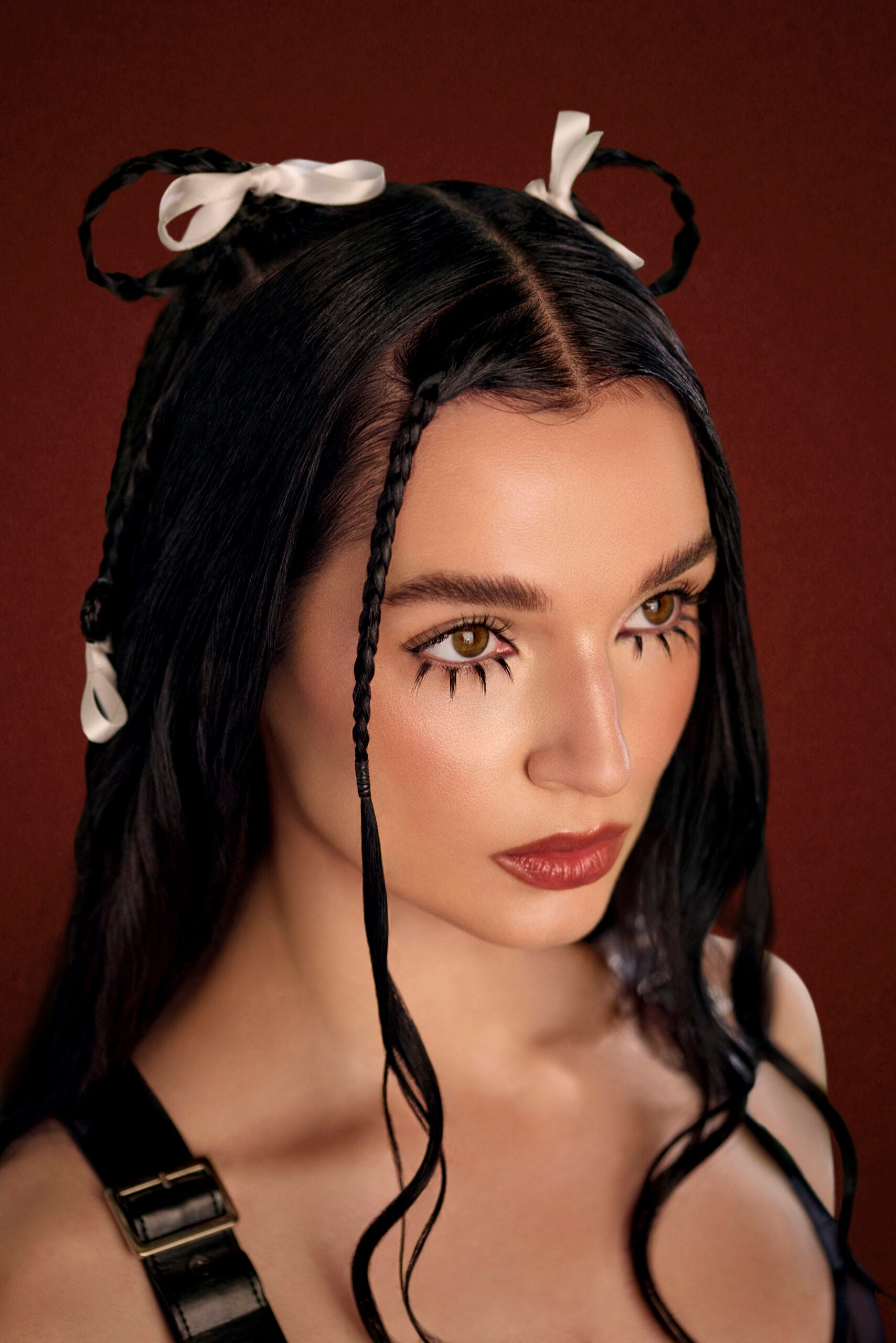
Ironically, Poppy’s “Bruised Sky” is playing as I write this. Quite fitting, really!
Being a woman in the alternative scene has always come with its own set of unwritten rules, and apparently, one of those is that we must constantly prove we actually belong here.
Wear a band T-shirt? Name three songs.
Go to a gig? Who’s your boyfriend?
Express enthusiasm for a musician? Oh, you must fancy him.
It’s almost as though the possibility of a woman genuinely enjoying heavy music is simply too outrageous to comprehend!
We’ve been labelled posers, groupies, fangirls and hangers-on for decades. There’s often an assumption that we’re attending gigs to attract men, get closer to band members or pursue some underlying sexual motive.
It couldn’t possibly be that we just really like the music, could it?
Everything is for the male gaze and attention, don’t you know!
What’s particularly frustrating is that these assumptions can follow women beyond the audience and into the music industry itself.
As a music journalist, I’ve experienced this firsthand. I’ve been propositioned by people within the industry, and I’ll openly admit there have been occasions when I’ve gone along with advances because I believed it might help me get where I wanted to be.
That’s not particularly comfortable to write, but I think it’s important to acknowledge.
It also raises a bigger question about the expectations placed on women trying to establish themselves in spaces where men have historically held much of the influence.
If a woman feels that entertaining somebody’s advances might open professional doors, why is the conversation so often about what she’s willing to do rather than why those expectations exist in the first place?
Why do we scrutinise the woman hoping for an opportunity more than the person who might be using their position to offer one?
And why should any of that determine whether she’s a genuine fan, journalist or part of the alternative community?
I sometimes wonder whether things have improved or whether certain behaviours have simply become less visible.
Social media has certainly made it easier for people to share their experiences, and we’ve seen increasingly public conversations about misconduct, exploitation and abuse within the music industry.
Stories and allegations involving musicians and fans, including underage girls, have also exposed how damaging unequal power dynamics can become.
Of course, consensual relationships between adults and the abuse or exploitation of minors are fundamentally different things. They shouldn’t be lumped together simply because they involve musicians and fans.
But what strikes me is how frequently the conversation surrounding women in music returns to sex, appearance and attention rather than their actual contributions to the scene.
It’s exhausting.
Thankfully, when I look at the alternative music landscape today, there’s plenty to celebrate.
Poppy, Courtney LaPlante of Spiritbox, Scene Queen and Amy Lee are just a handful of women who have established themselves through their music, creativity and individuality.
They don’t all sound alike, they don’t all dress alike, and they certainly don’t conform to one particular idea of what a woman in alternative music should be.
And now we have Emily Armstrong fronting Linkin Park!
Who would have imagined that during the band’s early years?
It’s exciting to see women occupying these spaces and being recognised for their talent rather than simply their proximity to male musicians.
But increased visibility doesn’t necessarily mean the underlying attitudes have disappeared.
Look at the way women engage with alternative music on social media today.
Concert outfit videos, makeup tutorials, styling band merchandise and sharing excitement about upcoming shows have become a huge part of online fan culture.
And why shouldn’t they?
We’ve spent this entire article discussing how clothing, appearance and music have always been connected within alternative subcultures.
My teenage years practically revolved around perfecting my fringe and making sure my MySpace photographs looked suitably dramatic!
Yet when women embrace that same connection between fashion and music today, they’re sometimes accused of being more interested in the aesthetic than the artists themselves.
Apparently, putting effort into your appearance means you can’t possibly know your way around a band’s discography.
But why?
Why can’t a woman spend two hours getting ready for a concert, look absolutely incredible, scream every lyric and know more about the band than half the people standing around her?
Why should she even have to?
And here’s another contradiction.
Alternative culture has always made room for theatricality, elaborate outfits, makeup and musicians who challenge traditional gender expectations. We’ve celebrated men wearing eyeliner, painting their nails and experimenting with their appearance for decades, even if they’ve faced criticism for it along the way.
So why do we sometimes treat women embracing fashion and femininity as though they’re somehow less authentic?
But I do think women face an additional layer of scrutiny, particularly when their appearance or sexuality becomes part of the conversation.
Or, for women, does it sometimes feel like we have to prove that our interest in music exists independently of the men who make it?
I don’t want younger women entering the alternative scene to feel that they need to earn their place by passing somebody else’s ridiculous test.
I want them to discover the bands they love, wear whatever makes them happy, find their people and experience that same feeling of belonging I remember from my teenage years.
Without somebody demanding they name three songs first.
Because a community that claims to welcome outsiders SHOULD NOT make women PROVE they deserve to be part of it.
Too Popular to Be Metal: When Success Becomes a Crime
Why do fans turn away from bands when they become popular?
Why does being mainstream automatically make something less alternative?
I can’t answer those questions, but they certainly feel like things that happen within alternative music.
Take Bring Me the Horizon, for example. Some fans claimed they lost credibility when they moved away from their earlier deathcore sound, but do we really expect bands to keep making the same music forever?
If you don’t like their newer material, fair enough! But does that suddenly make everything they created before it irrelevant?
I suppose I’m guilty of this myself with Muse.
I fell in love with them back in 1999, particularly Showbiz and eventually Origin of Symmetry, with their chaotic, experimental sound. Their more recent material has sometimes felt increasingly commercial to me.
Does that mean I love them any less?
Not necessarily. It certainly doesn’t stop me appreciating the albums I DO love.
Besides, who could listen to exactly the same thing forever?
Even me, with my ADHD and autism, repeating a song fifty times when I’ve decided it’s my latest obsession!
As musical tastes evolve and technology gives artists new ways to make music, surely we should encourage them to experiment?
I understand becoming comfortable with a particular sound. We associate bands with certain periods of our lives, and sometimes their music feels like an old friend.
But haven’t we also been guilty of complaining when a band releases another album that sounds exactly like the last one?
I know I have!
It seems musicians can’t win. Change too much and you’ve sold out. Stay the same and you’ve become boring.
Which brings me to genre labels.
Are they even useful anymore?
Well, yes, to an extent.
If I walked into River Island looking for some trousers, I’d appreciate knowing which section to find them in rather than wandering aimlessly around the entire shop.
Music genres serve a similar purpose. They give us a rough idea of what to expect and somewhere to begin exploring.
But what happens when a band doesn’t fit neatly into one category?
Sleep Token are probably my favourite example of this.
Their music draws on metal, pop, R&B, electronic textures and even classical influences. Trying to squeeze them into a single genre feels almost impossible.
Should they appear in every section because of their sound?
Metal seems like a reasonable place to start, but there’s so much more going on beneath the surface.
Of course, someone searching for Brahms might get quite a shock if they stumbled across Sleep Token simply because both incorporate piano!
But would that actually be a bad thing?
Maybe they’d discover something they never expected to enjoy.
I think algorithm-generated playlists are brilliant for discovering music that sounds similar to what we already love.
But are they also reinforcing the boundaries between genres?
If we’re constantly recommended variations of something we already enjoy, are we less likely to venture outside our comfort zones?
And isn’t that exactly what alternative music is supposed to encourage us to do?
I sometimes feel that musical elitism comes from an unwillingness to venture beyond familiar territory.
Sleep Token seem to be a particular challenge for people who prefer their genres clearly defined.
Their music refuses to sit comfortably in one place.
It’s almost as though someone who insists on seeing everything in black and white is struggling to appreciate colour.
At least, that’s how it feels to me.
Having grown up playing and creating music myself, from classical and orchestral instruments to those more commonly associated with bands, I find myself appreciating music on several different levels.
There’s the immediate enjoyment of a song, of course, but then there’s everything happening underneath it.
The composition, arrangements, layering of instruments and the way seemingly unrelated musical influences can come together to create something cohesive.
That’s one of the reasons I appreciate Vessel’s songwriting so much.
I find myself listening to the individual parts, wondering how they’ve been constructed and admiring the musical understanding required to bring them together.
And then there’s II’s drumming!
It’s not simply a case of thinking, “This sounds good.”
For me, there’s an appreciation of the creativity, technical skill and thought behind the music itself.
That doesn’t mean everyone needs musical training to appreciate a band, of course.
But perhaps it demonstrates why something one person dismisses as not being “real metal” can offer somebody else an entirely different listening experience.
Which brings me to another question.
Can a band still be alternative when they’re selling out arenas?
Again, I don’t think there’s a straightforward answer.
Look at Back to the Beginning, Ozzy Osbourne and Black Sabbath’s final concert in Birmingham in July 2025.
Musicians from different generations and genres came together to celebrate the man himself and the music he helped create.
Black Sabbath practically gave birth to heavy metal, and I don’t think many people would seriously question Ozzy’s place in rock and metal history.
Yet thousands of people came together for that final performance.
Did the size of the audience somehow make his music less authentic?
Of course not!
And interestingly, Sleep Token’s very own II played drums alongside Yungblud and other musicians for “Changes” during the event.
There’s something rather wonderful about a musician from a band whose place within metal is so frequently debated being invited to participate in a celebration of one of the genre’s founding figures.
Yet I can’t help wondering whether Sleep Token would receive the same unquestioning acceptance if they were headlining an event of that magnitude themselves.
I suspect there would be plenty of arguments about whether they deserved to be there!
I do think there’s an important distinction between selling records and selling out your identity.
There’s a difference between achieving commercial success because people connect with the music you’re making and deliberately changing what you create purely to chase money, popularity or fame.
Although, even then, how can we really know somebody’s motivations?
Artists need to make a living, after all.
And who gets to decide whether a change in sound represents genuine artistic growth or a calculated attempt to become more successful?
Personally, I don’t feel that Sleep Token have abandoned their identity to pursue mainstream success.
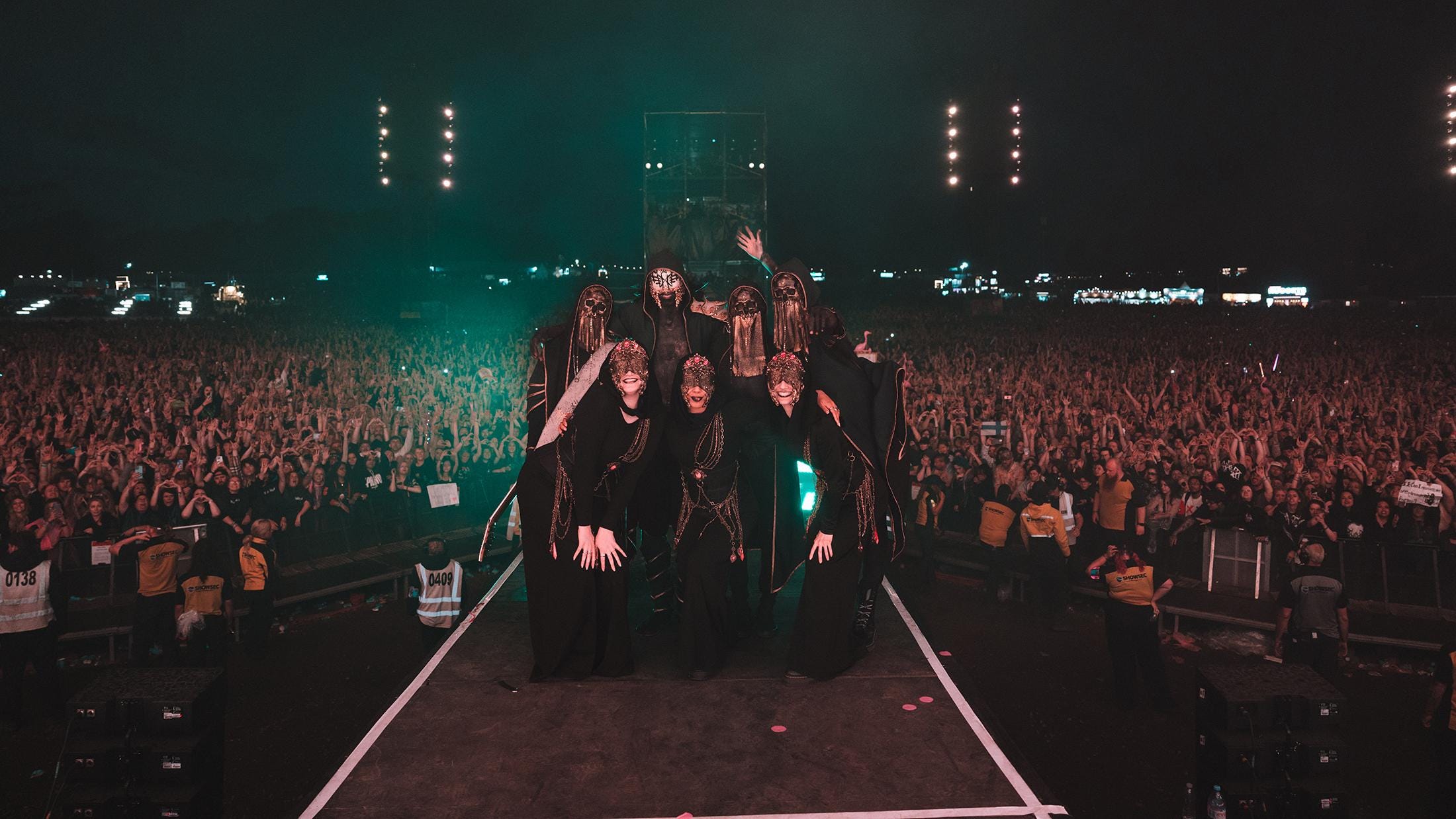
If anything, their commitment to anonymity makes their rise even more fascinating.
Vessel and the other members have maintained their masked identities and a sense of mystery despite becoming enormously successful.
Of course, that mystery has arguably become part of their appeal, too!
But there’s something interesting about a band becoming so famous while revealing comparatively little about the people behind the music.
How do we accuse artists of simply wanting the limelight when they’ve built an entire identity around keeping their faces out of it?
Perhaps the real issue isn’t whether bands change, become successful or experiment with different genres.
Perhaps it’s that we become so attached to our own idea of what a band should be that we forget the musicians themselves are allowed to grow.
We don’t have to enjoy every album.
We don’t have to embrace every musical experiment.
And we certainly don’t have to pretend we like something simply because our favourite artist created it.
But surely there’s room to respect that evolution without declaring somebody a sellout the moment they stop making exactly what we expect.
We celebrate musicians for being different, then criticise them when they become successful at it.
Where’s the logic?
Growing Older, Staying Alternative
“It was never just a phase, Mum!”
People definitely thought my love of angry music was some sort of teenage rebellion. Something I’d eventually grow out of when I became a proper adult, whatever that was supposed to mean.
I imagine they’re probably quite surprised to see that, rather than growing out of it, I’ve leaned even further into my love of heavy music and kept pretty much the same core items in my wardrobe.
Tattoos are forever, Mum!
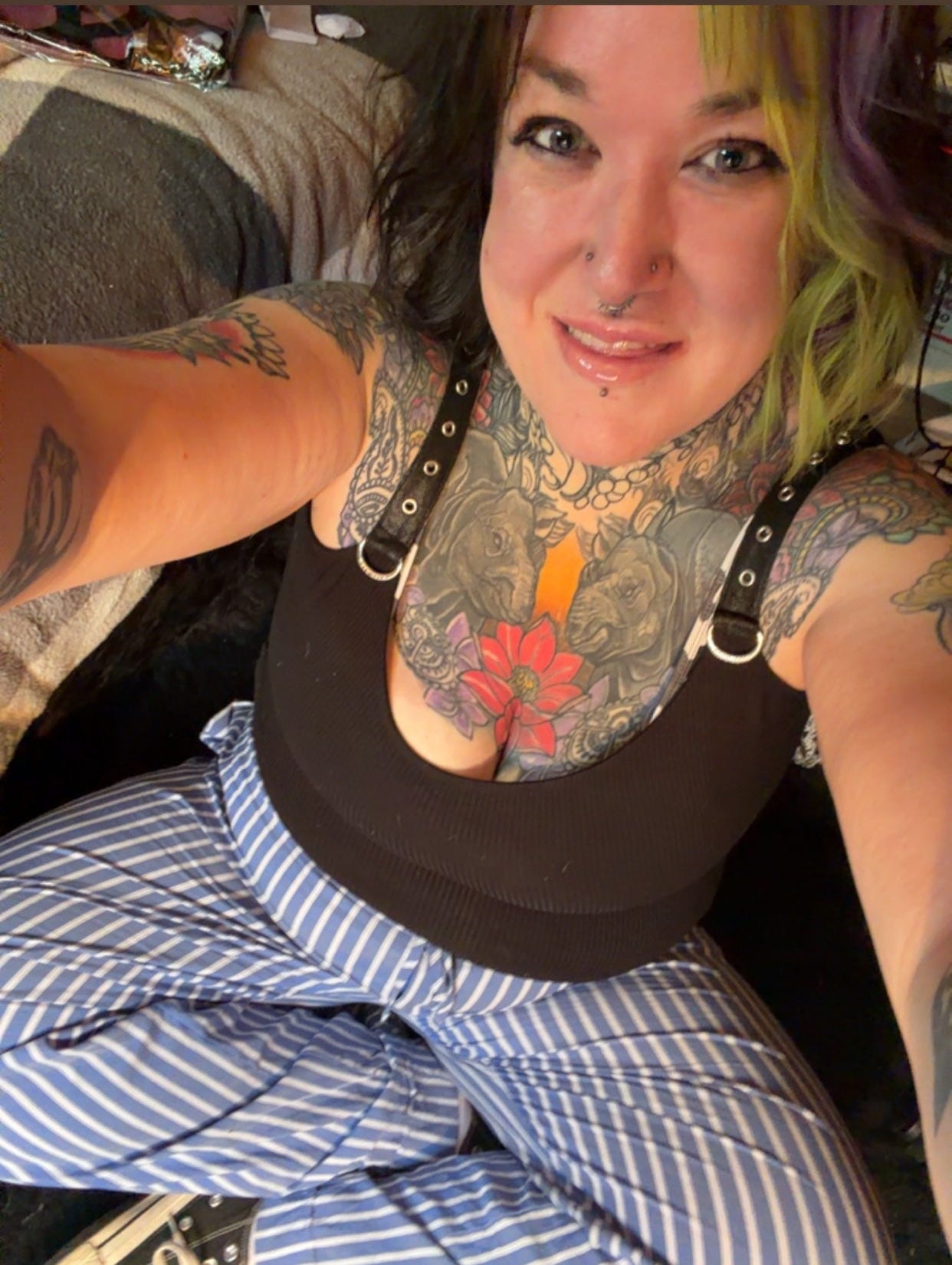
I still wear my skate shoes, my piercings are proudly on display, and there are still bright colours in my hair. I’m also still worrying that squeezing myself into skinny jeans can’t possibly be doing me any favours, although the size has gone up by one or two over the years…
My wardrobe is still full of band T-shirts, and many of the bands printed across them are still here with us, playing with the same lineups and sometimes even at the same venues!
Although I wonder how many of us are now choosing the seated tickets rather than throwing ourselves into the pit?
I’ve certainly allowed myself to branch into different genres without worrying so much about what people might think.
The crossovers between musical styles also feel much more obvious in today’s music.
I LOVE HARDY and his combination of country and metal influences, and Bilmuri is another fantastic example of how brilliantly different genres can come together.
But I’m still rocking out to A Day to Remember and Caleb Shomo’s Beartooth!
I remember discovering Caleb back when he was in Attack Attack!, so there’s something quite lovely about watching musicians grow and evolve alongside us.
At 38, I definitely feel more comfortable in my own skin than I did as a teenager.
Back then, saying “I don’t give a fuck what anyone thinks” was probably more of a desperate wish than an accurate reflection of how I felt.
Because, of course, I cared.
I cared deeply.
These days, it’s much more of a genuine statement, although I’ll admit that depends on the day!
I’m still crying along to sad songs about boys who don’t fancy me, but I think that’s probably something I’d manage in any musical genre.
Some things never change!
I wonder whether some of the protectiveness older alternative fans feel comes from watching the culture we grew up with enjoy a big revival.
We’ve seen fashions from the ‘70s and ‘80s return repeatedly over the years, but for many of us who grew up in the early 2000s, this feels like the first time our teenage aesthetic has truly come back around.
It’s strange seeing things that once made us targets of ridicule becoming fashionable again.
And perhaps that’s why some of us are reluctant to let go of the idea that alternative culture belongs to us.
But it doesn’t, does it?
We were simply one generation experiencing it in our own way, just as the generations before us did.
I wonder whether alternative culture will continue cycling through periods of popularity or whether it’ll keep evolving into something entirely different.
Maybe it’ll do both.
As for me, I’m still very much an emo, a scene kid and a metalhead, although I’m far less concerned about which label somebody decides to stick on me.
Someone could probably call me a chav these days and I’d just think, that’s your fucking issue!
I don’t particularly care what I am anymore.
I listen to what I like, wear what I like, and the rest can suck it.
I don’t need anybody to tell me whether I’m alternative enough.
I just hope my favourite bands keep making music and that I continue finding new artists who make me feel the same excitement I did when I first discovered this world.
And what would teenage Cari think of all this?
I reckon she’d be absolutely thrilled to see that we’ve kept our identity, discovered even more music and somehow managed to turn that obsession into writing about the bands we love.
Although she’d probably be DEVASTATED to discover that I now own a pair of Beartooth tracksuit bottoms.
SHOCK HORROR!
Growing older doesn’t necessarily mean growing out of alternative culture. Sometimes it means finally becoming comfortable with your own identity.
So, Are You Alt Enough? Making Room for Everyone
It might not be a popular opinion with everyone, but I genuinely love seeing people discover bands I’ve followed for years.
It means I get to explore their discographies with them, recommend my favourite songs and explain why I’ve loved these artists for so long.
There’s something wonderful about watching somebody discover music that’s been part of your life for decades.
And yet, I’ll admit that my feelings about alternative culture becoming more accessible are a little complicated.
I love that finding alternative clothing is easier than ever, but there’s still a part of me that feels a little icky seeing it absolutely everywhere.
My first venture into pink hair dye involved a trip to the physical Blue Banana shop in Swindon. Then there was Birmingham’s Oasis Market.
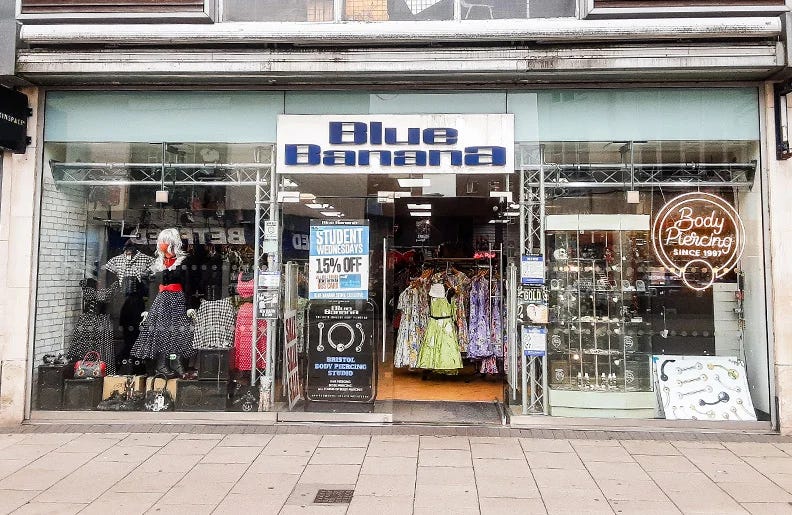
Walking into those places felt like being seen for the first time.
The racks of black band T-shirts, the piercing jewellery, the posters plastered everywhere, and the tattoo and piercing studios often tucked away somewhere above or below the shops.
You’d hear a song playing, strike up a conversation with the staff about how much you loved the band, and suddenly find yourself talking about other artists you should check out.
It was an experience.
Not just clicking something online and adding it to your basket.
I think those physical spaces gave us something more than clothes. They introduced us to the history, music and people behind the subcultures we were becoming part of.
The posters I used to plaster my bedroom walls with might feature different faces today, but they’re still there.
I remember trawling through racks of posters, looking for my favourite bands and stumbling across unfamiliar names that I’d make a mental note to check out later.
The same happened with T-shirts and hoodies.
There was a sense of discovery that I sometimes worry we’re losing.
Fast fashion, cheap knockoffs and social media constantly pushing alternative aesthetics give me a bit of an ick, if I’m being truthful.
But perhaps that’s the elitist Cari making another appearance.
Maybe I want people to discover the music, the shops, the friendships and the sense of belonging all at once, because that’s how I experienced it.
But why should somebody else’s journey have to look exactly like mine?
I think some of us still carry the judgement we experienced as teenagers, and perhaps we unconsciously project it onto younger fans while trying to protect something that was once incredibly important to us.
We remember what it felt like to be excluded, yet somehow risk becoming the very people who made us feel unwelcome.
Surely we should be helping new fans explore the music rather than testing whether they deserve to listen to it?
I’d MUCH rather see somebody discover Bring Me the Horizon through Fortnite Festival or TikTok than never discover them at all!
It doesn’t make me love the band any less because somebody first heard “Can You Feel My Heart” in a video game.
They don’t need to know how long Oli Sykes’ fringe was when I was growing up to appreciate his music today!
And writing this article has made me realise something about myself.
I’m probably a little more of a gatekeeper than the open-armed, welcoming person I thought I was.
That’s something I need to reflect on.
I think there’s a tendency to believe that suffering for an identity somehow makes us more deserving of it.
And maybe those experiences do give us a particular connection to the communities we grew up in.
I certainly feel deeply connected to alternative culture because of what I went through.
But would I want somebody else to experience the bullying, isolation and tears that came with it?
Absolutely fucking not.
Would knowing another teenager had suffered the way I did make my own experiences any more meaningful?
NO.
I want people to have happy, fulfilling lives and find communities where they feel safe being themselves.
At the same time, I naturally feel a particular connection to people who grew up listening to the same bands, dressing the same way and experiencing the same things I did.
And I don’t think there’s anything wrong with that.
Sharing an experience with somebody doesn’t mean you have more right to it than somebody who arrived later.
Perhaps we’ve confused authenticity with exclusivity. Those aren’t the same thing.
You can genuinely love a band without owning every album, knowing every lyric or having the band’s logo tattooed somewhere on your body.
You can turn up to a metal gig without piercings, tattoos or a wardrobe consisting entirely of black.
And equally, you can love alternative fashion while listening to completely different genres of music.
Neither should require permission.
The more I’ve thought about it, the more I’ve realised that perhaps it was never entirely about the clothes or the music.
Maybe it was about finding somewhere you felt safe enough to be yourself.
A community that happened to have a label attached to it, one we didn’t particularly mind being given.
I don’t think the alternative scene is always as welcoming as we like to believe, and that bothers me.
Part of me still wants to protect it by creating some imaginary checklist for entry.
But what would even be on it?
And who would get to decide?
If you like metal, go to a metal gig.
You don’t need to wear anything specific. You don’t need to know every song. You don’t even need to know ANY of the songs!
Just turn up, listen and enjoy yourself.
In my experience, the atmosphere at gigs has overwhelmingly been one of acceptance.
There’s a huge difference between the arguments you encounter online and the people standing beside you at a show.
I’ve never really experienced anything other than being welcomed in those spaces.
Apart from that one bloke who insisted on talking CONSTANTLY over Corey Taylor while he was reading from his book.
FUCK YOU, WHOEVER YOU WERE!
Yes, I turned around and told him off.
But generally, the real-world community has given me far more reasons to feel included than excluded.
And that’s the experience I want other people to have.
Loving music doesn’t have to be complicated.
Listen to it. Enjoy it. Share it.
Support the bands you love, whether they’re playing to twenty people in a tiny venue or selling out arenas.
Not because you want them to become the next big thing, but because their music means something to you.
After everything I’ve written, I’m still not entirely sure I can give you a definitive answer about what being alternative means.
I know what music I love.
I know what clothes I enjoy wearing.
But I genuinely couldn’t care less what somebody decides to call me because of either.
I wear sports clothes to the gym because they’re comfortable. I dress however I feel happiest when I go out to shows and events, and most of the time at home, you’ll find me in my pyjamas.
Do I feel less alternative when I’m wearing gym clothes or pyjamas?
Of course not!
Admittedly, my pyjamas usually feature something like Jurassic Park or The Moomins, and my gym clothes tend to be black.
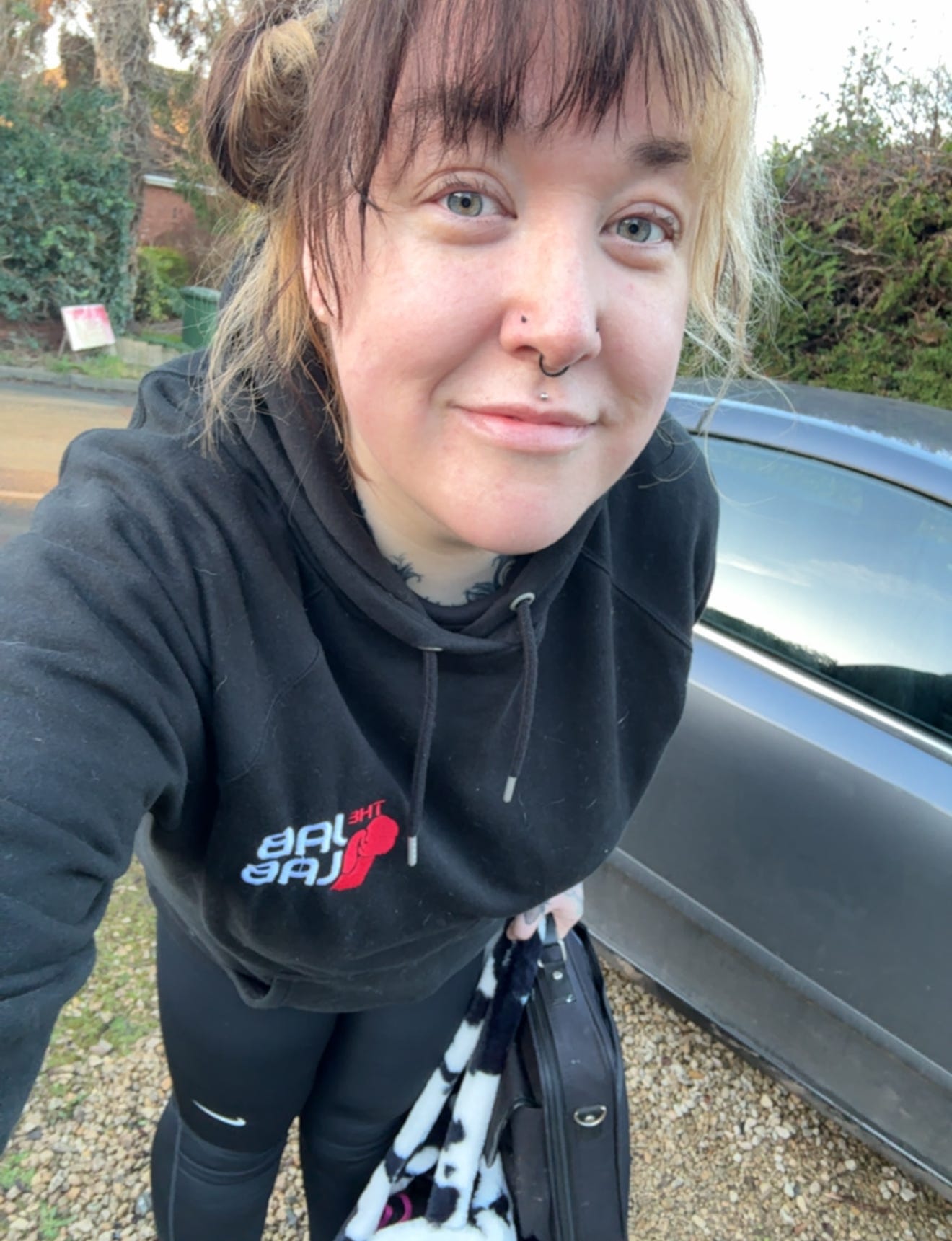
But that’s personal taste, not some carefully constructed attempt to maintain my alternative credentials while doing a workout!
If teenage Cari walked into a metal gig today, I’d recognise her as somebody who belonged.
I’d also recognise a girl who gave far too much of a shit about what other people thought.
Growing older has taught me that being comfortable with your interests, enjoying your life and protecting your own peace matter far more than fitting into somebody else’s idea of who you should be.
It’s easy to say, “Fuck what anyone else thinks.”
Actually believing it?
That took me until my late thirties.
And if I could speak to the girl crying behind her enormous fringe because somebody had mocked the things she loved, I’d tell her that it gets better.
Not because she’ll eventually perfect that fringe or discover an even more obscure collection of bands.
Not because she’ll somehow become alternative enough to silence the people who made her feel small.
But because she’ll eventually realise she never needed their approval in the first place.
She’ll also survive listening to Britney Spears’ “…Baby One More Time” without having to pretend she prefers the metal cover.
SHOCK HORROR!
Eventually, we grow into ourselves.
We realise that so many of the things we worried about as teenagers didn’t matter nearly as much as we thought they did.
And, funnily enough, people often seem to like us a whole lot more when we’re comfortable being our genuine selves.
Finding out who that person is?
That’s half the fun!
I hope the next generation learns that a little sooner than I did.
And until then, I’ll be waiting at the rail at a gig, ready to enjoy the music alongside you.
Or maybe I’ll see you asking questions online about a band I grew up loving, and I’ll get the chance to introduce you to another twenty songs you didn’t know existed.
Because that’s what I want alternative culture to be.
Not a competition over who discovered a band first, who suffered the most for their identity or who owns the most obscure merchandise.
A place where somebody can discover something they love and find other people who love it too.
So, are you alt enough?
I am me. And that’s more than enough.
No matter how much that sounds like something you’d find written inside a Hallmark card!